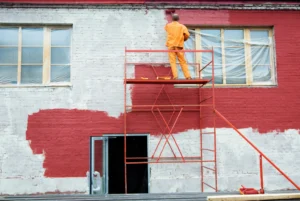
Painting a working building feels risky. Staff need desks. Customers need entrances. Deliveries still arrive at 7 a.m. Many property managers assume a paint job means closing the doors.
It does not have to. Commercial painting during business hours works when the painter plans around your operations, not the other way around. The right schedule protects revenue, safety, and your team’s focus.
Gonnella Painting & Restoration has painted offices, retail spaces, and multi-tenant buildings across Greater Boston. Our commercial painting services start with one question: when does your space need to stay open? Everything else follows from that answer.
This guide explains how commercial painters build a schedule around your hours. You will learn the phasing methods, low-odor products, and communication steps that keep work moving without disruption. You will also see how to choose between day, evening, and weekend work for commercial painting in Boston, MA.
Every project is different, but the core principles below apply to nearly any occupied space.
How Does Commercial Painting During Business Hours Actually Work?
Painters keep a building open by splitting it into small work zones and finishing one zone at a time.
A typical plan starts with a walkthrough. We map traffic flow, noise limits, and critical areas like server rooms, reception desks, and cash registers. Then we divide the space into zones of 500 to 1,500 square feet.
Each zone gets sealed with plastic sheeting and zip walls. Crews prep, paint, and clean one zone before moving to the next. Your staff keeps using the rest of the building.
Zone-based work also gives you control. If a client visit or deadline appears, we pause one zone and shift to another. This flexibility keeps occupied-building projects on schedule. To see why businesses hire pros for this kind of work, read our guide on the benefits of professional commercial painting.
What Is the Best Time to Schedule Commercial Painting Services?
The best time depends on your foot traffic, noise tolerance, and budget, not a single rule.
Daytime Phased Work
Best for offices with low-traffic corners, warehouses, and large lobbies. Crews work in zones while staff stay on site. This option usually costs the least because crews avoid shift premiums.
Evening and Overnight Work
Best for restaurants, retail stores, and medical offices. Crews arrive after closing and leave the space ready by opening time. Expect higher labor rates for off-hours work.
Weekend Work
Best for large projects, such as full floors or lobby entrances. Weekends give paint extra cure time before Monday. Plan ahead, since weekend slots fill fast in Boston.
Many clients combine methods, such as daytime prep in back-of-house zones and evening finish coats in customer areas.
How Do Painters Control Odor, Dust, and Noise While You Work?
Low-VOC paint, dust barriers, and quiet prep methods keep air quality and noise at acceptable levels.
We use low-VOC and zero-VOC coatings for occupied spaces. These products have little odor and dry quickly. Our post on eco-friendly paint options explains how they work. The U.S. Environmental Protection Agency notes that volatile organic compounds can irritate the eyes, nose, and throat, and indoor levels often run higher than outdoor levels.
Dust control matters just as much. We run HEPA-filtered vacuums, use sanding systems with dust extraction, and set up air scrubbers where needed. For noise, we schedule loud prep tasks, such as scraping and power sanding, for off-peak hours.
We also schedule strong-smelling tasks, such as sealers and primers, for the end of the day. Fresh air then circulates overnight, so the space is comfortable by morning.
How Do Painters Protect Your Staff, Customers, and Property?
Safety planning covers clear signage, blocked work areas, protected surfaces, and strict daily cleanup.
We post wet-paint and caution signs at every zone entry. Ladders, drop cloths, and tools stay inside the barrier. Egress paths, fire exits, and ADA routes stay open at all times.
At the end of each shift, we remove debris, wipe down surfaces, and reopen the area to normal use. Furniture and equipment go back exactly where we found them. Your team starts the next morning without a mess.
How Do You Plan Commercial Painting in Boston, MA With Minimal Disruption?
Good planning starts weeks before the first brush stroke and includes a written schedule shared with every stakeholder.
Follow these five steps:
- Walk the site. Your painter measures, tests surfaces, and notes tenant and customer hours.
- Set zones and sequence. Agree on which areas close first and which stay open.
- Share a written schedule. Send dates, zones, and contacts to staff, tenants, and building management.
- Name one point of contact. One site lead handles questions and changes each day.
- Review daily. A five-minute check-in at the start of each shift catches issues early.
A local team makes daily coordination easier. See our comparison of local vs. national commercial painters for the trade-offs.
Buildings built before 1978 may contain lead-based paint, so we test and follow EPA lead-safe practices when required. Landlords often require insurance certificates and building access approvals before crews enter, so choose a licensed painter who can provide them.
Frequently Asked Questions
Can you paint a commercial building while it is open?
Yes. Most occupied buildings stay open with zone-based phasing, low-odor coatings, and dust barriers. Some spaces, such as restaurants and clinics, work better with evening or overnight shifts. A site walkthrough confirms the right approach.
How long does a commercial painting project take?
Timelines depend on square footage, surface condition, and the number of zones. A small office may take two to three days. A multi-floor building can take several weeks. Phasing around business hours adds some time but protects daily operations.
Will the paint smell affect my employees or customers?
Low-VOC and zero-VOC paints produce very little odor. We also ventilate each zone and run air movers after painting. Odor usually fades within a few hours.
How much does after-hours commercial painting cost?
After-hours work often costs more because of overtime and shift labor. Daytime phasing can lower costs when your space allows it. Request a written estimate that lists zones, schedule, and any off-hours rates so you can compare options.
Conclusion
Commercial painting during business hours works when you plan zones, choose low-odor products, and agree on a clear schedule. With the right approach, your team stays productive while your space gets a fresh look. Contact Gonnella Painting & Restoration to talk through a plan that fits your operations and your calendar.