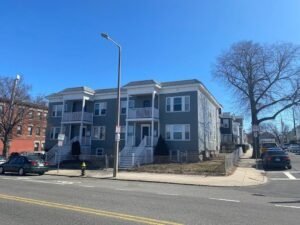
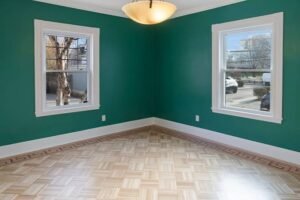
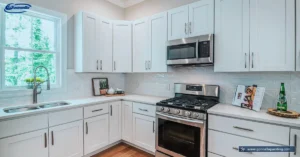
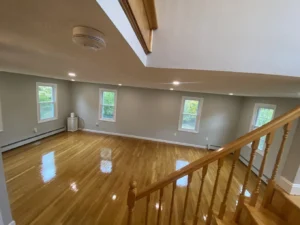
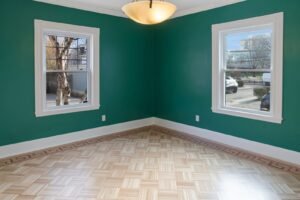
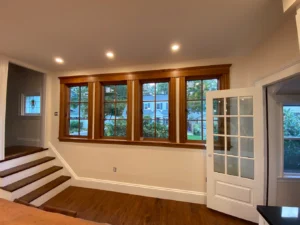
Restoration painting contractors in Greater Boston work with older and historic properties that may require detailed surface preparation, careful treatment of existing materials, and lead-safe renovation practices. For Victorian and other pre-1978 homes, getting an accurate painting estimate involves more than measuring square footage. The condition of plaster, woodwork, trim, previous coatings, and painted surfaces can all affect the scope of work.
If painted surfaces in a pre-1978 home will be disturbed during renovation, repair, or painting, federal and Massachusetts requirements may apply. EPA’s Renovation, Repair, and Painting (RRP) Rule requires covered firms and renovators to be certified and to follow lead-safe work practices. Massachusetts also has its own Lead-Safe Renovation requirements.
A professional restoration painting contractor should evaluate the property carefully, explain the preparation process, identify applicable lead-safety requirements, and provide an estimate that clearly outlines the work.
Why Victorian Homes May Need a Restoration Painting Specialist
Older homes can contain architectural details and substrates that require more careful preparation than newer construction. Depending on the property, a project may involve original wood trim, detailed millwork, plaster walls, older coatings, masonry, or other features that need to be evaluated before painting.
Another important consideration is lead-based paint. EPA states that homes built before 1978 may contain lead-based paint, and renovation or painting activities that disturb painted surfaces can be subject to the RRP Rule.
Massachusetts has additional requirements for paid renovation, repair, and painting work in pre-1978 housing when specified amounts of painted surfaces are disturbed. The state requires covered work to be performed by a licensed Lead-Safe Renovation contractor, with a trained and certified LSR supervisor on staff and on site during the renovation.
This makes contractor qualifications an important consideration when hiring a painter for an older Greater Boston home.
Gonnella Painting & Restoration, a third-generation, family-owned painting company based at 1037 Beacon St in Brookline, MA, has built its reputation specifically around this kind of work — combining EPA-certified lead-safe practices with historic restoration techniques for homeowners across Brookline, Newton, Cambridge, Watertown, Boston, Back Bay, South End, and Charlestown.
General Painter vs. Restoration-Focused Painting Contractor
A restoration-focused painting contractor may offer several advantages when working on an older or historic property:
- Older surfaces: The contractor can evaluate existing plaster, wood, trim, masonry, and previous coatings before selecting preparation methods.
- Lead-safe requirements: The contractor should be able to explain applicable EPA and Massachusetts requirements for covered work.
- Historic details: Restoration-focused crews may have more experience working around original architectural details and decorative features.
- Surface preparation: Preparation can be adjusted according to the condition and type of substrate rather than applying the same process throughout the property.
- Detailed estimates: A thorough estimate should explain preparation, repairs, materials, labor, painting, and cleanup.
- Historic-home experience: Homeowners should look for documented experience with older or historic properties similar to their own.
The key is to evaluate the contractor’s actual qualifications and experience rather than relying solely on the term “restoration painter.” Homeowners should verify relevant credentials, insurance, and experience before hiring.
What Drives the Cost of Painting a Victorian Home?
There is no reliable one-size-fits-all price for painting a Victorian or historic home. Several factors can affect the final estimate.
1. Existing Paint and Lead-Safe Requirements
If the project involves disturbing painted surfaces in a pre-1978 home, applicable lead-safe requirements can affect preparation, containment, cleanup, and labor. EPA recommends using lead-safe practices for covered renovation work, while Massachusetts has its own licensing requirements for covered Lead-Safe Renovation work.
2. Condition of Existing Surfaces
Peeling paint, damaged plaster, deteriorated wood, cracks, moisture-related damage, and previous repairs can increase preparation time. A contractor should identify visible issues during the walkthrough rather than assuming every room requires the same preparation.
3. Trim and Architectural Details
Victorian homes can include detailed trim, molding, doors, stair components, decorative woodwork, and other architectural features. More intricate surfaces generally require additional preparation and painting time.
4. Materials and Coatings
The appropriate paint or coating depends on the substrate, existing finish, location, and project requirements. Rather than automatically specifying one type of coating for every historic property, the contractor should explain why a particular product is appropriate for the surface.
5. Exterior Access
Multi-story homes, narrow lots, difficult access, and elevated exterior surfaces may require additional equipment, setup, or safety measures.
6. Project Size
The number of rooms, elevations, doors, windows, trim elements, and other surfaces will naturally affect labor and material requirements.
How to Get an Accurate Painting Quote
A detailed walkthrough is one of the best ways to reduce surprises during a restoration painting project.
1. Schedule an On-Site Evaluation
Whenever possible, have the contractor inspect the property in person. Older surfaces can be difficult to evaluate accurately from photographs alone.
2. Ask About Lead-Safe Requirements
For a pre-1978 property, ask whether the planned work is covered by federal RRP requirements or Massachusetts Lead-Safe Renovation rules. EPA recommends that homeowners use certified firms for covered renovation work.
3. Request an Itemized Scope
Your estimate should explain what is included in preparation, repairs, painting, materials, cleanup, and any required containment or lead-safe measures.
4. Ask About Hidden Damage
Older homes can reveal additional issues after work begins. Ask how the contractor handles unexpected rot, damaged plaster, failing coatings, or other conditions and how additional work will be priced.
5. Verify Insurance and Credentials
Ask for proof of appropriate insurance and verify any required Massachusetts lead-safe renovation credentials before work begins.
6. Discuss the Project Timeline
Exterior painting can be affected by weather, access, surface preparation, and the amount of repair work required. Ask for a realistic schedule rather than an overly precise completion date before the property has been inspected.
7. Review Similar Projects
Ask to see examples of restoration or older-home painting projects that are similar to yours. This can help you evaluate the contractor’s experience with the type of property and finishes involved.
Red Flags When Comparing Painting Estimates
Be cautious if a contractor:
- Provides a detailed price without inspecting the property.
- Does not discuss lead-safe requirements for covered work on a pre-1978 home.
- Cannot explain what is included in surface preparation.
- Provides no clear process for unexpected repairs.
- Refuses to provide appropriate insurance or licensing documentation.
- Pressures you to sign immediately or make a large upfront payment.
- Gives a substantially lower estimate without explaining what is excluded.
A lower price is not necessarily a better value if important preparation, repairs, cleanup, or compliance-related work has been excluded.
Questions to Ask Before Hiring a Restoration Painting Contractor
Before choosing a contractor, consider asking:
- Have you worked on older or historic homes similar to mine?
- What preparation will the existing surfaces require?
- Does the planned work involve painted surfaces that trigger lead-safe requirements?
- Are you properly certified or licensed for the lead-safe work required for my project?
- What is included in the estimate?
- How will unexpected damage be handled?
- What products do you recommend for the surfaces being painted?
- Can you provide examples of comparable restoration projects?
- Do you carry general liability and Workers’ Compensation insurance?
- What is the expected project timeline?
These questions can help you compare contractors based on qualifications and scope rather than price alone.
Why Homeowners Across Greater Boston Choose Gonnella Painting & Restoration
Gonnella Painting & Restoration has served Brookline and the surrounding Greater Boston area — including Newton, Cambridge, Watertown, Belmont, Winchester, South Boston, Back Bay, South End, and Charlestown — as a family-owned, third-generation painting company since 2017. The team is EPA-certified for lead-safe work practices and fully insured, with hands-on experience restoring the kind of Victorian and historic housing stock that defines much of the region. Beyond restoration painting, the team also handles Level 5 drywall finishing, wallpaper removal, floor epoxy applications, and kitchen cabinet refinishing — giving homeowners a single point of contact for both cosmetic updates and structural preservation work.
Because the crew understands the architectural character of homes in this region, quotes are built around what your specific property needs — not a generic per-room rate that ignores whether you’re painting drywall or hand-troweled plaster.
Get Your Victorian Home Quoted the Right Way
If you’re comparing certified restoration painting contractors in Greater Boston for a Victorian property, start with an in-person walkthrough and an itemized estimate — not a guess over the phone. Gonnella Painting & Restoration offers free, on-site estimates for homeowners across Brookline, Boston, Back Bay, Charlestown, Newton, Cambridge, and the surrounding areas.
Call (978) 886-8854 to schedule a free walkthrough and get an itemized quote for your Victorian home.
Frequently Asked Questions
How much does it cost to paint a Victorian home in Greater Boston?
The cost depends on the home’s size, surface condition, amount of architectural detail, preparation requirements, accessibility, materials, and any applicable lead-safe work requirements. An on-site evaluation is the best way to develop an accurate estimate.
Do Victorian homes in Greater Boston need lead-safe painting?
Many Victorian homes were built before 1978, so lead-based paint may be present. If a painting or renovation project will disturb painted surfaces in a covered pre-1978 property, federal EPA RRP requirements and Massachusetts Lead-Safe Renovation requirements may apply.
What should be included in a restoration painting estimate?
A detailed estimate should explain surface preparation, repairs, materials, labor, painting, cleanup, and any applicable containment or lead-safe measures. It should also identify how unexpected conditions will be handled.
Why hire a restoration painting contractor for an older home?
Older homes may contain plaster, original woodwork, detailed trim, and previous coatings that require careful evaluation and preparation. A contractor with restoration experience can develop a scope based on the property’s existing materials and condition.
How do I choose a restoration painting contractor in Greater Boston?
Look for documented experience with older homes, appropriate insurance, clear estimates, relevant Massachusetts licensing or lead-safe credentials when required, and a willingness to explain the preparation and painting process.
Can original Victorian trim and plaster be restored instead of replaced?
Sometimes. The appropriate solution depends on the condition of the material and the extent of damage. A qualified contractor should evaluate the existing surface before recommending restoration, repair, or replacement.