Boston is full of charm. Triple-deckers. Brick townhomes. Historic renovations. But many of these beautiful homes hide a serious risk. Homes built before 1978 often still contain lead paint. Families worry about their kids. Renovations feel stressful. Laws feel confusing. Many homeowners do not know where to start or what mistakes to avoid.
This guide explains 7 Costly Lead Paint Removal Mistakes Boston Homeowners Make and How to Avoid Them in clear, simple words. You will learn how lead poisoning happens, where danger hides, and how to protect your family, your property, and your wallet.
How Lead Paint Risks in Boston Homes
Many Boston homes still contain lead paint that can harm health and property value. Lead paint was once a common choice for builders because of its durability and ability to provide a smooth, long-lasting finish.
However, over time, the dangers of lead became clear. Today, homes built before 1978 are at risk of containing lead paint that can harm your health, especially when it begins to deteriorate. The risks are significant, but knowing how lead paint causes harm and how to handle it safely can make all the difference for homeowners in Boston.
- Lead Dust and Chips: The main danger comes not just from the paint itself but from lead dust and lead paint chips. As paint cracks, peels, or rubs off, it releases fine particles of lead that can contaminate the air and surfaces.
- Health Hazards: Lead poisoning occurs when children or adults breathe in or swallow this dust. It’s especially harmful to young children, who are more likely to ingest dust from contaminated surfaces or put their hands in their mouths after touching affected areas.
- Older Homes at Higher Risk: Boston neighborhoods like Dorchester, Roxbury, Jamaica Plain, South Boston, and East Boston have a high concentration of homes built before 1978, which are at risk for containing lead-based paint.
- Renovation Risks: Any disturbance to old lead paint, such as during home renovations, increases the potential for harmful dust to spread through your home. Without proper inspection and precautions, small projects can easily turn into significant lead hazards.
The 7 Most Costly Lead Paint Removal Mistakes Boston Homeowners Make
Lead paint removal can be tricky, especially in older Boston homes. Many homeowners make costly mistakes that can harm their health, cause legal issues, and drive up costs. Here are the 7 most costly lead paint removal mistakes Boston homeowners make and how to avoid them.
Mistake 1: Skipping a Proper Lead Inspection
Guessing instead of testing creates hidden danger. Many homeowners rely on sight. They look at paint and assume it is safe. That fails often. Lead-based paint can look perfect and still release dust. Only a licensed lead paint inspector can find the true presence of lead.
DIY test kits miss low but harmful amounts. A professional lead inspection uses tools to measure lead accurately. Even low levels of lead can raise a child’s blood lead level.
How to avoid it:
- Schedule a professional lead inspection before work.
- Follow the Massachusetts lead law from day one.
Mistake 2: Trying to Remove Lead Paint Yourself
DIY lead removal spreads dust and raises exposure. Scraping or sanding old paint sends lead dust into the air. That dust spreads through HVAC systems. It settles on drywall, furniture, and floors. Regular masks do not block lead dust exposure.
Many homeowners think they save money. Instead, they increase risk, cleanup cost, and health danger. This mistake often leads to lead contamination across the entire home.
How to avoid it:
- Hire licensed lead abatement professionals.
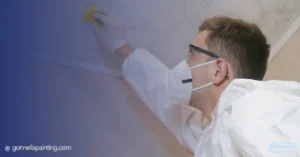
- Use proper personal protective equipment.
- Follow occupational safety and health rules.
Mistake 3: Ignoring Massachusetts Lead Laws
Not following the law leads to fines and lawsuits. Lead paint laws in Massachusetts are strict. If you are a landlord or renting property, rules apply fast. Owners must provide the tenant lead law notification. Failure can delay sales or trigger legal action.
During renovation or selling, the lead law requires proof of compliance. This protects children and tenants. Ignoring rules risks serious regulatory compliance issues.
How to avoid it:
- Stay informed on state regulations.
- Work with experts like Gonnella Painting & Restoration who know Boston codes.
Mistake 4: Focusing Only on Walls and Forgetting Windows
Windows create the most lead dust in homes. Lead paint on windows breaks down faster. Opening and closing create friction. That friction releases lead paint dust. Dust falls onto floors and soil near windows.
Crawling children face the greatest danger. They touch contaminated surfaces daily. Many homeowners overlook this area completely.
How to avoid it:
- Include windows in lead paint removal plans.
- Seal or replace windows correctly to stop dust.
Mistake 5: Covering Lead Paint Without Fixing the Source
Covering peeling paint does not remove the hazard. Encapsulation can work sometimes. But only when the paint is in good condition. Deteriorating paint still releases lead particles even under new layers.
Homeowners feel false relief. The lead hazard remains active underneath. This mistake often leads to repeated repairs and growing exposure.
How to avoid it:
- Know when sealing works.
- Know when full lead abatement is required.
Mistake 6: Not Protecting Kids During Renovation
Renovation time is the most dangerous period for children. During work, lead exposure spikes. Dust spreads fast. Children absorb lead easily. Lead in a child’s body builds up over time. Even short exposure can cause elevated blood lead levels.
Health effects may appear later. Learning delays. Behavior changes. These risks frighten many Boston parents.
How to avoid it:
- Plan temporary relocation when possible.
- Use containment zones.
- Complete cleaning and clearance testing with a lead inspector.
Mistake 7: Hiring the Cheapest Contractor
Cheap work often creates expensive health and legal damage. Not all painters are certified lead professionals. Low bids often skip containment, waste handling, and cleanup rules. Improper disposal spreads danger beyond your property. Cheap work increases future repair costs and legal risk. Many homeowners regret this choice.
How to avoid it:
- Ask about licensing.
- Ask about environmental remediation experience.
- Trust an experienced commercial company like Gonnella Painting & Restoration.
How Lead Paint Removal Should Be Done the Right Way
A safe process protects health, property, and legal standing. Lead paint removal must be done carefully to avoid health risks and legal issues. The right process ensures that your home is properly handled, protecting both your family and your property’s value. Here are the key steps involved in lead paint removal:
- Inspection: Begin with a thorough lead inspection to identify hazardous areas
- Planning: Create a plan based on inspection results to ensure safety during removal.
- Containment: Isolate the area to control and prevent lead dust exposure.
- Removal: Use approved methods to safely remove lead paint from surfaces.
- Cleanup: Remove all debris and lead dust carefully from the area.
- Final Clearance Testing: Conduct testing to confirm a safe level of lead remains.
Proper documentation is also essential. It protects property value and keeps you legally compliant. This method follows guidance from the United States Environmental Protection Agency and Massachusetts programs like the Childhood Lead Poisoning Prevention Program.
FAQs
Can I stay in my home during lead paint removal?
In some cases, you may stay during small, controlled work, but it’s safer to relocate, especially if you have children or pregnant family members. Lead dust can spread quickly and cause health risks.
How long does the process take?
For smaller projects, lead paint removal may only take a few days. However, full lead abatement in larger areas or homes with significant lead hazards may take a week or more to complete safely.
What happens to the waste?
Lead paint debris is carefully sealed and disposed of following strict environmental regulations. Professionals ensure that waste doesn’t contaminate the environment, protecting your home and nearby areas from future lead contamination.
Does insurance cover lead work?
Insurance coverage for lead paint removal depends on your policy. Some homeowner’s insurance policies might cover the costs, but it’s important to check with your provider to understand what is and isn’t covered.
Conclusion
Ignoring lead paint risks creates lasting harm. Health, legal trouble, and rising costs follow poor decisions. Learning 7 Costly Lead Paint Removal Mistakes Boston Homeowners Make And How to Avoid Them helps you plan smarter and act calmly.
Boston homeowners deserve safety and clarity. Choose testing over guessing. Choose compliance over shortcuts. Work with trusted professionals like Gonnella Painting & Restoration to protect what matters most.