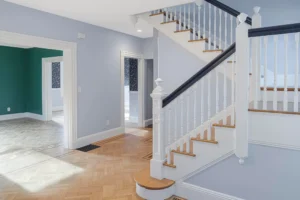
Interior painting sounds simple, but the price can surprise many homeowners. In Boston, homes come in many shapes and ages. Old walls, tight rooms, cold winters, and humid summers all change the cost. Many people ask the same question before starting a painting project: How Much Does Professional Interior Painting Cost in Boston?
This guide explains real prices, real problems, and real choices. You will learn what affects the cost, how paint choices matter, and how to get a fair quote without stress. The goal is to help you plan with confidence and protect your budget.
Key Takeaways
- Interior painting costs in Boston usually depend on space, wall condition, and labor time. Planning helps avoid surprise expenses.
- Larger homes and older walls cost more to paint because they need extra prep and materials. High ceilings and tight spaces also raise labor costs.
- Better paint costs more upfront but lasts longer and needs fewer touch-ups. This often saves money over time.
- An in-home inspection gives the most accurate painting quote. Online estimates often miss important details.
- Professional painting delivers cleaner results and longer-lasting color. It is a smart investment for most Boston homeowners.
Average Cost of Professional Interior Painting in Boston
Most homeowners in Boston pay between $2.75 and $6.00 per square foot for professional interior painting. The cost depends on room size, paint choice, and labor. Small bedrooms cost less, while full homes cost more. Older Boston homes and condos often raise prices due to prep, access limits, humidity, and seasonal conditions that increase labor time.
| Item | Estimate |
| Per Square Foot (Standard) | $2.75–$6.00 |
| Per Square Foot (High-End) | $3.00–$7.50 |
| Small Bedroom (144 sq ft) | $400–$900 |
| Living Room (225 sq ft) | $675–$1,350 |
| Bathroom (60 sq ft) | $225–$375 |
| Kitchen/Dining (180 sq ft) | $600–$1,125 |
| Hallway/Stairwell (100 sq ft) | $300–$525 |
| Full 2,000 sq ft House | $4,000–$12,000 |
| Full 3,000 sq ft House | $6,000–$18,000 |
What Affects Interior Painting Costs the Most?
Size, wall condition, labor time, and room complexity affect the cost the most. Square footage sets the base price, usually $2–$6 per square foot. Poor wall condition can add 25–40% to the prep work. High ceilings raise labor costs by 10–30%. Kitchens, bathrooms, and older homes with lead paint increase costs due to moisture control, ventilation, and safety steps.
Square Footage
Square footage sets the base cost for interior painting. Larger homes need more paint, more prep time, and more labor hours. Painters usually charge per square foot, so even adding one extra room or hallway can increase the final price faster than expected. Open layouts also raise costs because there is more continuous wall space to cover.
- Measure each room’s wall space, not just floor size
- Include hallways, stairwells, and closets
- Ask if ceilings are included in the square-foot rate
Wall Condition
Wall condition strongly affects painting costs. Cracks, dents, stains, or peeling paint require extra work before painting begins. Painters must patch holes, sand rough spots, and apply primer. This prep work takes time and skill, which raises labor costs. Older paint layers can also slow the process and increase material use.
- Inspect walls in natural light
- Look for peeling, bubbling, or uneven areas
- Ask how much prep work is included in the quote
Labor Time
Labor is often the biggest part of interior painting costs. More hours mean higher pricing. Detailed trim, tight spaces, multiple coats, and careful cutting around edges all add time. Professional painters also include setup and cleanup in labor. Faster jobs cost less, but rushed work can reduce quality and durability.
- Ask how many days the job will take
- Confirm if multiple painters are included
- Check if the cleanup time is part of the price
Ceiling Height
Ceiling height increases costs because painters need ladders, scaffolding, or extra safety steps. Many older Boston homes have ceilings higher than eight feet. Painting these areas slows work and adds physical risk, which raises labor rates. Tall stairwells and vaulted ceilings are especially time-consuming and cost more than standard rooms.
- Measure ceiling height in each room
- Identify staircases or vaulted areas
- Ask if high ceilings change pricing
Furniture Moving and Protection
Furniture must be moved, covered, or protected before painting starts. Heavy items take longer to move and require care to avoid damage. Painters also protect floors, trim, and fixtures. Rooms with lots of furniture or limited space increase labor time. This added effort directly affects the total painting cost.
- Count large furniture pieces per room
- Ask what protective materials are used
- Confirm if furniture moving is included
Bathrooms and Kitchens
Bathrooms and kitchens usually cost more to paint than other rooms. Moisture, steam, and limited ventilation require special paint types and careful application. Tight corners, cabinets, and fixtures slow the job. These rooms often need extra coats and drying time, which increases labor and material costs.
- Identify rooms with moisture exposure
- Ask about moisture-resistant paint
- Confirm ventilation requirements
Older Homes and Lead Paint
Older homes may contain lead paint, which requires special handling. Safety rules demand sealing work areas, using protective equipment, and careful cleanup. This adds time, labor, and cost. While it raises the price, it protects health and ensures legal compliance. Lead paint work should always be handled by trained professionals.
- Check the year your home was built
- Ask if lead paint testing is needed
- Confirm safety steps are included
How Paint Type Impacts Total Cost
Choosing the right paint affects both the total cost and how long the results last. In Boston homes, factors like humidity, older walls, and limited ventilation (architecture) make paint choice even more important. While cheaper paint lowers upfront pricing, better paint often saves money over time by lasting longer and covering better.
- Basic paint (lower-cost option): Basic interior paint costs less per gallon, which helps reduce the initial budget. However, it often needs extra coats to fully cover the walls. More coats increase labor time and drying time. This raises the total cost of the painting project, especially in larger interior spaces.
- High-quality paint (premium option): High-quality paint costs more upfront but offers better coverage and durability. Professional painters often recommend it because it spreads evenly and hides flaws better. Fewer coats are needed, which reduces labor hours. This makes it a strong long-term investment for your home’s interior.
- Low-VOC paint: Low-VOC paint releases fewer volatile organic compounds into the air. This improves indoor air quality, which matters in homes with children, pets, or limited airflow. Many Boston homeowners choose this option for bedrooms and living areas. It costs slightly more but improves comfort and safety.
- Moisture-resistant paint: Bathrooms and kitchens need paint that resists moisture and humidity. These paint types prevent peeling and mold growth on walls and ceilings. They work well in spaces with poor airflow or near plumbing fixtures. Moisture-resistant paint raises material cost but protects the interior over time.
- Primer (paint): Primer adds to the overall cost but improves how paint sticks to the wall. It seals stains, covers old colors, and smooths patched areas. Primer is often needed in older Boston homes or after sanding and repairs. Skipping primer can shorten the life of a new paint job.
- Paint coverage and gallons needed: One gallon of paint usually covers 350–400 square feet of wall space. Larger rooms and higher ceilings require more gallons. Using the correct paint type helps maximize coverage. Fewer gallons and fewer coats help control the total project cost.
How to Get an Accurate Interior Painting Quote in Boston
Getting the right painting quote helps you avoid surprise costs and poor results. In Boston, home layouts, older walls, and climate conditions make pricing less predictable. While online estimates give a starting point, they often miss important details.
An accurate quote comes from a clear inspection, a detailed breakdown, and honest communication. This helps homeowners plan better and protect their budget. Key points to understand when reviewing a painting quote:
- In-home inspection: A painter needs to see walls, ceilings, and room layout to price correctly.
- Lighting and humidity check: These affect drying time and labor needs.
- HVAC airflow review: Heating and ventilation impact paint performance indoors.
- Labor and materials listed: A good quote includes labor cost, paint, primer, and prep work.
- Number of coats explained: Clear details prevent misunderstandings later.
- Timeline included: Knowing how long the job takes helps with planning.
- Cleanup confirmed: Always ask if cleanup and disposal are part of the price.
FAQs
How long does interior painting take?
Interior painting time depends on room size, wall condition, and drying time. Most bedrooms or living rooms take one to two days, including prep and cleanup. Painting an entire house can take several days to a week, especially in larger homes or older Boston houses that need extra sanding, patching, or multiple coats of paint.
Can I stay in my home during painting?
Yes, most homeowners stay in their homes during interior painting. Professional painters usually work room by room to limit disruption. They also use proper ventilation (architecture) to manage odor and drying. With low-VOC paint, indoor air quality stays safer, which helps families, pets, and people working from home.
Is interior painting worth the cost?
Interior painting is usually worth the cost because a professional paint job lasts longer and looks cleaner. Skilled painters apply smooth coats, handle prep work correctly, and use the right paint type and primer (paint). This reduces future touch-ups and helps protect your home’s interior as a long-term investment.
When is the best time to paint indoors in Boston?
Fall and winter are often the best times for interior painting in Boston. Indoor humidity stays more controlled, which helps paint dry evenly. Painters also tend to have better availability during these seasons. With proper heating, ventilation, and air conditioning, indoor painting works well year-round in Massachusetts homes.
Conclusion
Interior painting is more than choosing a color. It involves space, labor, paint quality, and local conditions. Understanding how much professional interior painting costs in Boston? helps homeowners avoid stress and plan smarter.
Boston homes face unique challenges, from old walls to humidity and tight layouts. A professional painting contractor handles these details with care. When you understand the costs and ask the right questions, your next paint job becomes a solid investment, not a surprise expense.