Timing decides how long an exterior paint job lasts in New England. Paint applied in the wrong weather can blister, peel, or never fully cure.
So what is the best time to paint a house exterior in Massachusetts? For most homes, the best windows are late spring (May to June) and early fall (September to mid-October). Both seasons bring steady temperatures, lower humidity, and enough daylight for paint to cure.
Massachusetts homes face freeze-thaw cycles, humid summers, and coastal wind. Those conditions punish any paint job that starts in poor weather.
At Gonnella Painting & Restoration, we schedule exterior projects around the forecast in Brookline, Boston, Newton, and Cambridge. Our crews check temperature, dew point, and surface moisture before the first brush touches the siding.
This guide explains the best months, the exact weather limits, and the trade-offs of each season. It also covers what to do if your home needs paint outside the ideal window. Use it to plan early and avoid costly repaints.
What Is the Best Time to Paint a House Exterior in Massachusetts?
The best time to paint a house exterior in Massachusetts is late spring (May to June) or early fall (September to mid-October). Daytime temperatures sit between about 50°F and 85°F, and rain is less likely to interrupt the work.
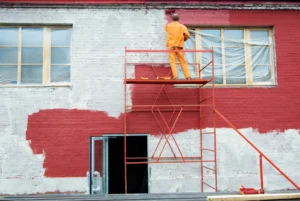
Most single-family homes take one to two weeks, including washing, scraping, priming, and two finish coats. That schedule needs a stretch of stable weather, not just one sunny day.
If you want a full exterior repaint handled start to finish, see our residential exterior painting in Boston, MA service.
What Temperature and Weather Do You Need to Paint a House Exterior?
Most exterior latex paints need air and surface temperatures of at least 50°F during application and for the first 24 hours of drying. Some premium formulas are rated down to 35°F, so always read the product label.
Temperature is only one limit. We also track these conditions:
- Dew point: The siding surface should stay at least 5°F above the dew point. Otherwise, condensation forms on wet paint.
- Humidity: Readings above about 85 percent slow drying and invite blistering.
- Wood moisture: Wood siding should read under about 15 percent on a moisture meter.
- Rain: Fresh paint needs several dry hours at minimum, and often more. The label gives the exact window.
- Direct sun: Surfaces above about 90°F dry paint too fast, which causes lap marks and weak adhesion.
We check the National Weather Service Boston forecast each morning and follow the shade around the house. That keeps paint out of harsh sun and heavy dew.
How Do Spring, Summer, and Fall Compare for Exterior Painting?
Spring and fall offer the most reliable weather, while summer works well when crews manage heat and humidity.
Spring (May to June)
Cool mornings and mild afternoons help paint level out and cure evenly. Winter damage is easy to spot, so crews can repair rot and cracks first. April rain keeps siding wet, so we wait until it dries. Spring schedules fill quickly, so book early.
Summer (July to August)
Long days give crews more working hours. However, July and August bring high humidity and south-facing walls that pass 90°F. We start early and move with the shade.
Early Fall (September to Mid-October)
Dry air and cool nights help paint cure well. Pollen and insects also drop. The risks are shorter days and heavy morning dew. Our guide to the exterior painting cut-off date in Massachusetts explains exactly when fall work should stop.
Can You Paint a House Exterior in Winter or Early Spring?
Painting a house exterior from mid-November through March is not recommended, because cold temperatures stop paint from forming a proper film. Cold paint dries slowly, traps moisture, and can crack or peel within a season.
Winter is better for planning. Use it to choose colors with a professional color consultation, get estimates, and lock in a spring start date. Interior painting can also continue all year.
Early spring is a gamble. Nights often drop below 40°F, and siding stays damp. Wait until daytime highs hold above 50°F and the surface is dry.
How Do Your Home’s Location and Siding Change the Timing?
Coastal homes, older wood siding, and pre-1978 houses need extra planning, because each one affects prep time and paint life.
- Coastal and shaded walls: Salt, wind, and shade keep surfaces damp longer. We allow extra drying time after rain, especially on north-facing walls.
- Wood siding: Wood needs more drying time and careful priming than fiber cement or aluminum. See how often each material needs paint in our guide on how often to repaint your home exterior in MA.
- Pre-1978 homes: These homes may contain lead paint. The U.S. Environmental Protection Agency requires lead-safe work practices when paint is disturbed in most of these homes, which adds prep time. Our post on EPA lead-safe certification lists what to ask a contractor.
If your paint already peels, read why paint peels on Boston homes before you schedule.
Frequently Asked Questions
What month is best to paint a house exterior in Massachusetts?
May, June, and September are the most reliable months. Early October also works when the forecast stays dry and nights stay above your paint’s minimum temperature.
Is it too late to paint my exterior in November?
In most cases, yes. Falling temperatures, heavy dew, and short days make curing unreliable. Plan the work for spring and use the winter to prepare.
Can you paint a house exterior in summer?
Yes. Summer works well when crews start early, avoid surfaces above 90°F, and skip humid or rainy days.
How long does exterior paint need to dry before rain?
Most latex paints need at least a few dry hours before light rain. Full cure takes several weeks. Check the label for the exact rain-free window.
Plan Your Exterior Paint Job With Gonnella Painting & Restoration
The best time to paint a house exterior in Massachusetts comes down to stable weather. Late spring and early fall give paint the best chance to bond and last. To get your project on the calendar, Gonnella Painting & Restoration can inspect your home and build a timeline. Request a quote to get started.